
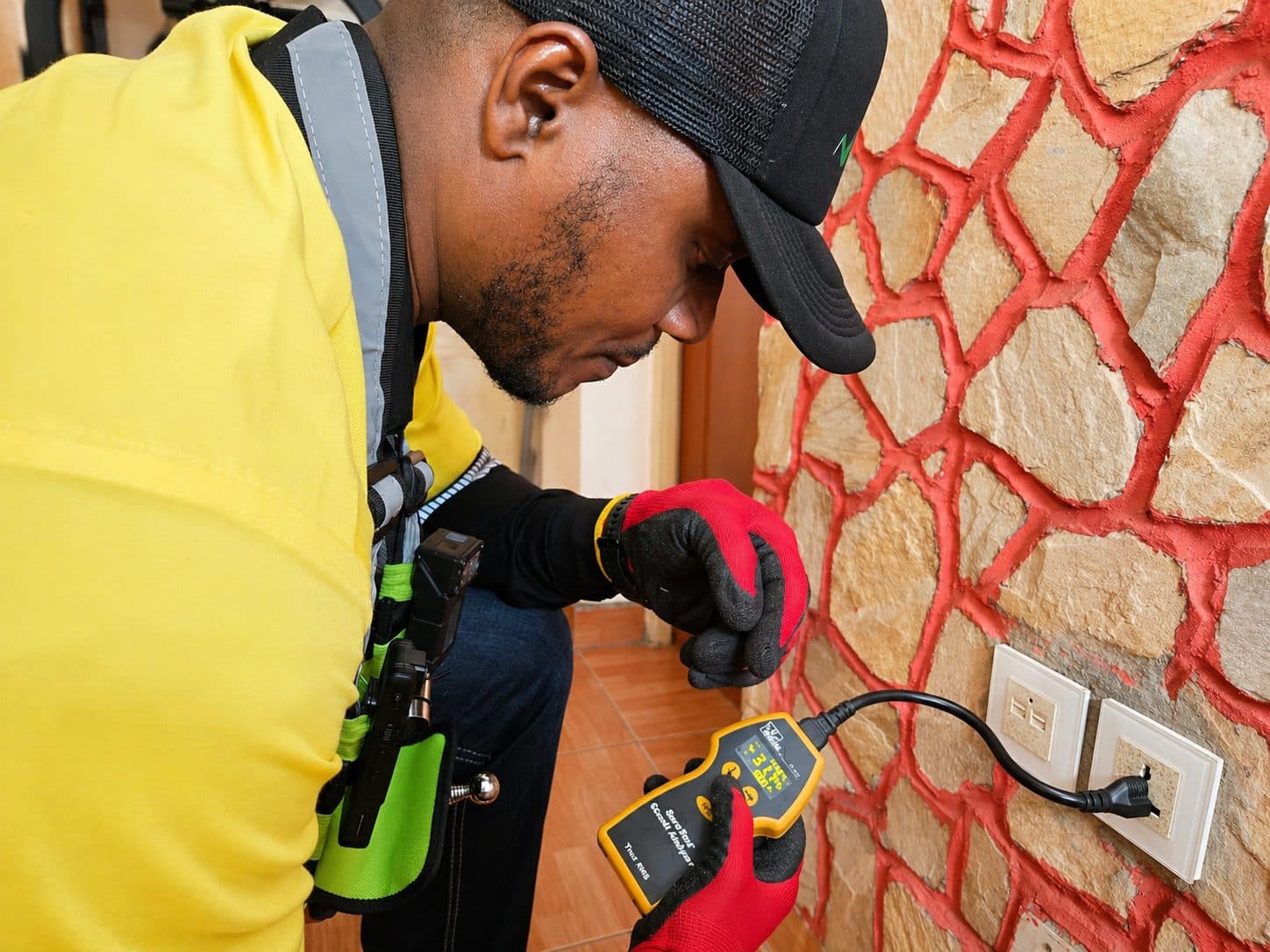
Buying a home is a big investment, and no one wants to move in only to discover hidden problems. That's why home inspections are so important. Whether it's a newly built house or an older property, there are certain issues that tend to show up during home inspections. Some are minor and easy to fix, while others could cost a lot of money if not addressed early.
1. Roof Problems
The roof is one of the most crucial parts of any home, yet it is often overlooked until a major issue arises. Home inspectors frequently come across missing or damaged shingles, leaks, sagging areas, and poor drainage systems. These problems can be caused by old age, poor installation, or extreme weather conditions like heavy rain, strong winds, and intense heat.
A small roof leak may not seem like a big deal at first, but over time, it can lead to water seeping into the ceilings and walls, causing rot, mould growth, and even structural damage. Regular maintenance — clearing gutters, replacing broken shingles, and checking for weak spots — can help prevent costly repairs in the future.
2. Electrical Issues
Electrical problems are common, especially in older homes where outdated wiring systems struggle to meet modern power demands. Inspectors often find old circuit breaker panels, exposed wires, improper grounding, and overloaded circuits. These issues are not just inconveniences — they are potential fire hazards.
Even in newer homes, unqualified electricians or poor workmanship can lead to problems like loose connections or unprotected wiring in dangerous areas such as bathrooms and kitchens. During an inspection, watch for warning signs like burnt-out outlets, buzzing sounds from switches, or frequent circuit breaker trips.
3. Foundation and Structural Problems
Foundation issues are some of the most serious problems a home can have. Inspectors look for cracks in the foundation, uneven floors, doors and windows that don't close properly, and walls that are separating from the ceiling or floor. These signs could indicate that the foundation is settling unevenly, which can lead to major structural damage if left unaddressed.
4. Plumbing and Drainage Issues
Plumbing problems are another common finding during home inspections. These can range from minor issues like dripping taps to more serious problems like corroded pipes, low water pressure, or inadequate drainage. Blocked drains can cause significant water damage over time, and leaking pipes hidden in walls or under floors can lead to mold growth.
5. Poor Ventilation and Dampness
In Nigeria's humid climate, ventilation and moisture control are critical. Poor ventilation can lead to condensation, mold, and structural deterioration. Inspectors frequently find damp walls, water stains on ceilings, and mold growth in poorly ventilated areas like bathrooms and kitchens.
6. Substandard Finishing
In newly built properties, inspectors often find poor-quality finishing — cracked tiles, uneven plastering, poorly fitted doors and windows, and low-grade fixtures. These may seem cosmetic, but they can indicate that the developer cut corners on more critical aspects of construction as well.
The key takeaway from all of this is that professional home inspections protect you from costly surprises. Never skip this step — the cost of an inspection is a fraction of what a missed defect could cost you down the line.