
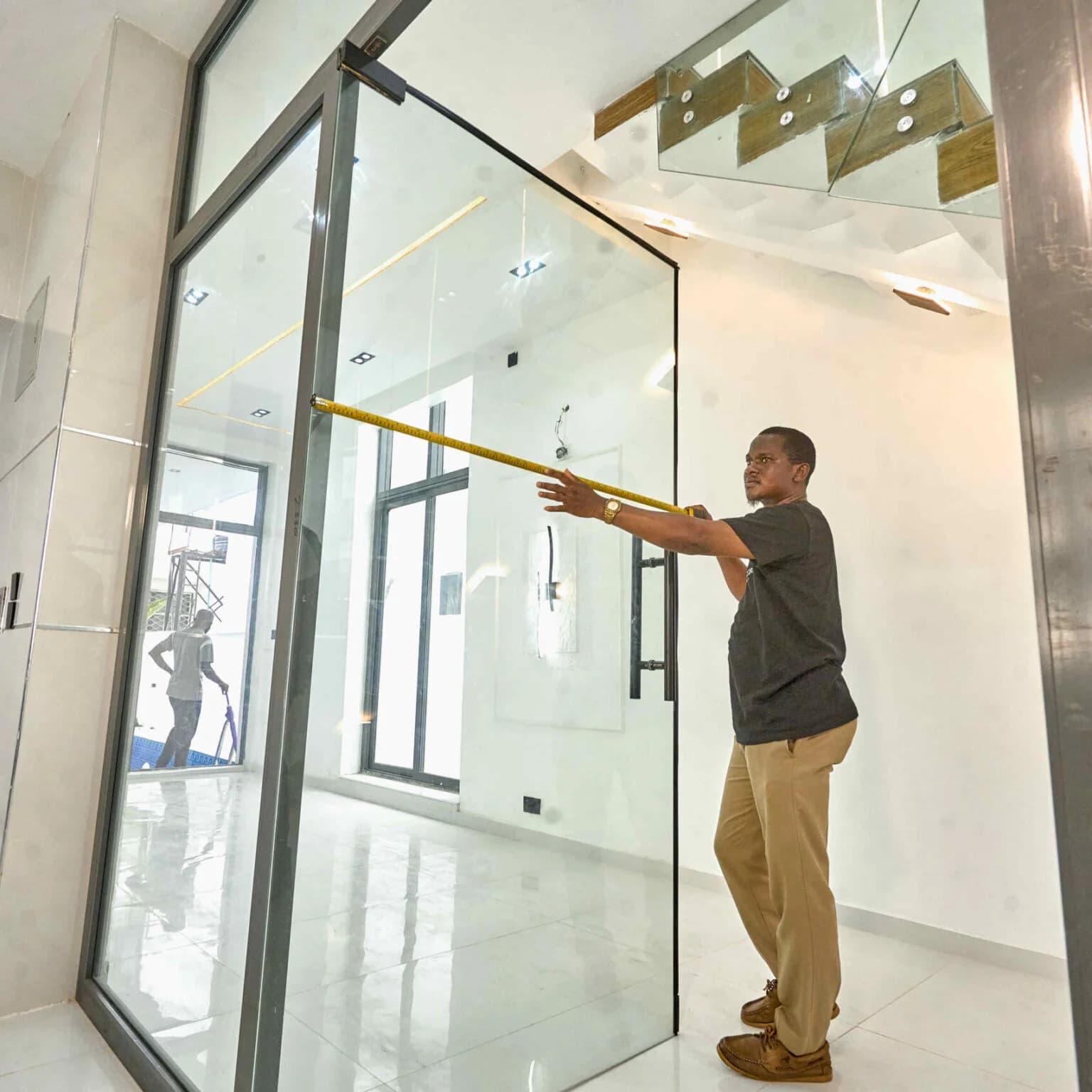
Choosing a home inspector in Nigeria is becoming increasingly vital as the real estate market expands and buyers seek assurance about the properties they are investing in. Purchasing a home is one of the most significant financial decisions you'll ever make, and ensuring that your investment is sound requires a thorough evaluation by a qualified professional. But with so many options available, how do you select the right home inspector in Nigeria?
Home inspectors in Nigeria play a crucial role in safeguarding your investment. Let's say you've found your dream home in Lagos, Abuja, or Port Harcourt. The location is ideal, the price suits your budget, and you're ready to sign the papers. But then, a few months after moving in, you discover a leaking roof, faulty wiring, or crumbling foundation issues that could cost you thousands of naira to repair. This is where a home inspector in Nigeria steps in — their job is to examine the property from top to bottom, identifying potential problems before you commit.
In a country where construction standards can vary widely, and some developers might cut corners, a professional home inspector in Nigeria is your first line of defence against costly surprises.
1. Verify Experience in the Local Market
Experience is key, particularly in a place as diverse as Nigeria. A home inspector in Nigeria who has worked in your specific region will understand the unique challenges properties face. For example, homes in the south might be more prone to moisture damage or flooding, while those in the north could suffer from issues related to intense heat and dust.
Enquire how many inspections they have conducted and whether they have dealt with properties similar to the one you are considering. A seasoned home inspector will know what to look for, from termite infestations (a common issue in wooden structures) to poorly installed electrical systems (a frequent problem in older homes).
2. Request a Sample Report
One of the best ways to assess a home inspector in Nigeria is by reviewing their work. Request a sample inspection report from a previous job. A quality report should be detailed, easy to comprehend, and filled with specifics — not just a checklist of ticked boxes. Does it include photos of problem areas? Are there clear explanations of what is wrong and what needs fixing?
3. Check for Engineering Credentials
In Nigeria, the standard for professional inspectors is registration with relevant engineering bodies. Ask for proof of qualifications and check whether they carry professional indemnity insurance. A credible inspector will have no hesitation in providing this information.
4. Ask About Their Equipment
Modern home inspections go beyond the naked eye. Ask what tools and technology the inspector uses. Professional-grade inspectors use thermal imaging cameras (to detect hidden moisture and heat leaks), Zip Level instruments (for precise foundation settlement measurement), moisture meters, and electrical testing equipment. An inspector who relies purely on visual inspection may miss critical defects.
5. Look for Clear Communication
A great inspector is not just technically skilled — they must be able to explain their findings in plain language. After the inspection, you should understand exactly what was found, how serious each issue is, and what your options are. Avoid inspectors who hide behind jargon or produce vague reports.
6. Check Reviews and References
Word of mouth is powerful. Ask for references from past clients and look for reviews online. A reputable inspector will have a track record of satisfied clients and will be happy to provide references. Be wary of anyone who cannot or will not provide testimonials.
Choosing the right home inspector in Nigeria is an investment in your peace of mind. Take your time, do your research, and do not let anyone pressure you into skipping this critical step.